I shot my nephews first birthday party this weekend. If these shots don’t make you smile, you may have a degenerative muscular facial disorder all up in the smilin’ region. Seriously… see a doctor.
I shot my nephews first birthday party this weekend. If these shots don’t make you smile, you may have a degenerative muscular facial disorder all up in the smilin’ region. Seriously… see a doctor.
 I received a cold-call this week from a glowing BBB saleswoman representative excited to inform me that not only has my company been invited to join the BBB, but the 45 second Q&A at the beginning of our call qualified us for membership. And we can have the blessing and support of the BBB for the low low price of only $445.
Let’s think about this for a moment.
The BBB is supposedly a not-for-profit organization formed to protect and inform consumers on the ethical status of businesses. BBB funding, however, comes directly from the businesses they “investigate” in the form of membership fees. This means the BBB has a direct conflict of interest. An operational company with a clean record and good references (such as mine) has no need of the BBB except as a promotional novelty, and a company with a dirty record has no reason to pay to the BBB save for “cleaning up” their business record. There’s a name for this type of scheme; it’s called protection racketeering and is the same type of “business” performed by mobs. No thanks.
Complete follow-up email below, though contact information changed to protect the mobsters representatives identity. Please do your own research on the BBB and help spread the word to prevent other startups from falling prey to this scam.
—-
Dear Preston,
I enjoyed speaking with you regarding our invitation to become an Accredited Business with your BBB . You will be part of an elite group of businesses who have undergone a review process and adhere to the highest standards of business. I have enclosed our benefit package for you to review and a link to our website. Your annual BBB dues are $445. (This includes the BBB OnLine Logo!) We accept credit card or check by phone for your convenience. Please call me later at XXX-XXX-XXXX and we can take a few minutes to complete the accreditation information. We are the leader in marketplace trust and we look forward to having your company recognized as “BBB Accredited.” Thanks again and have a great day.
Xxxxx Xxxx | Business Relations Representative
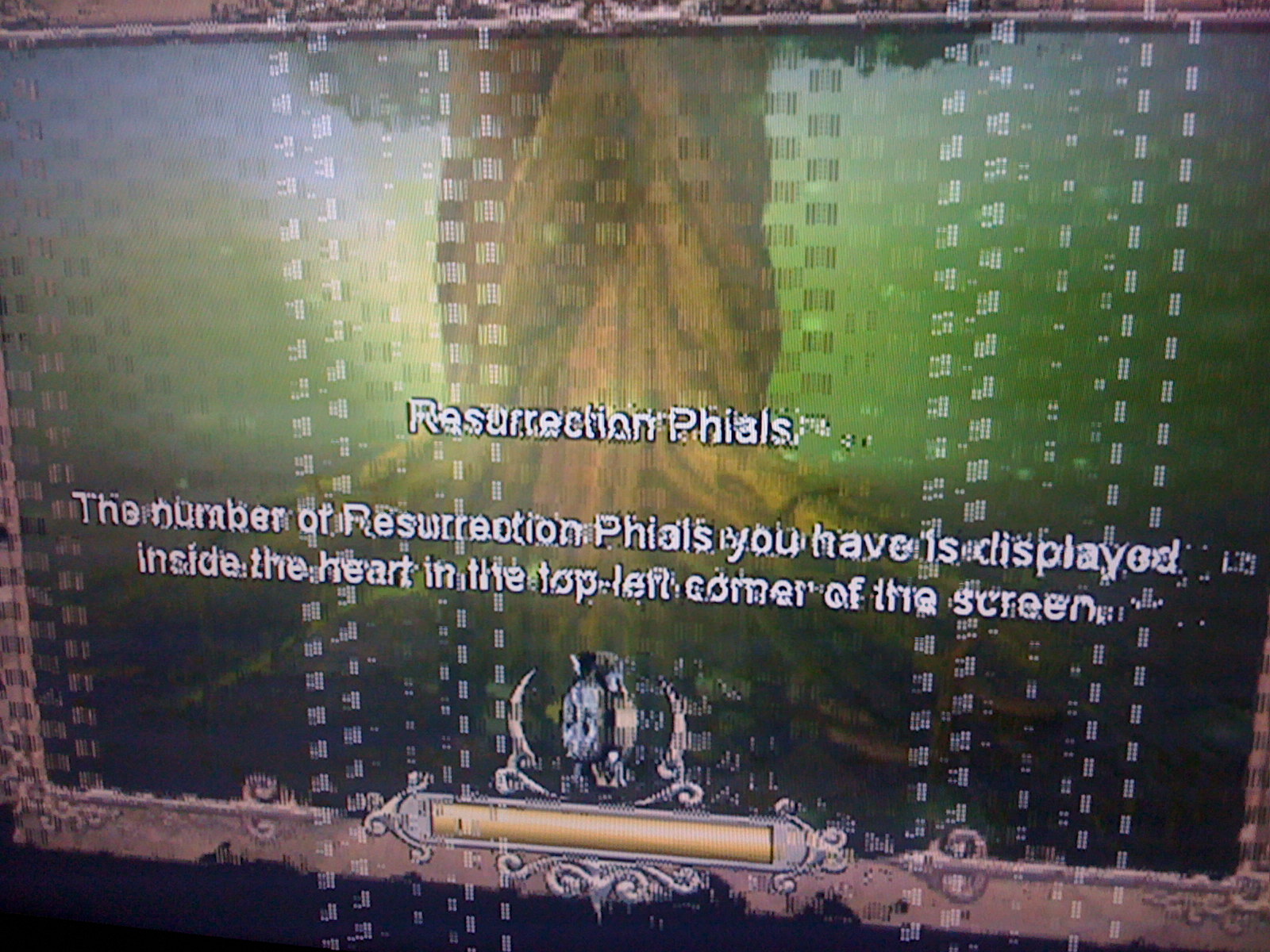
I sat down 30 minutes ago to enjoy a final quiet hour of gaming before starting my next class tomorrow, and Microsoft kindly reminded me why I no longer use their other computing products.. yet again. First, the damn console insisted on crashing 3 times in about 5 minutes while playing Fable off of Xbox Live Arcade. The 360 just does that sometimes. Yeah.
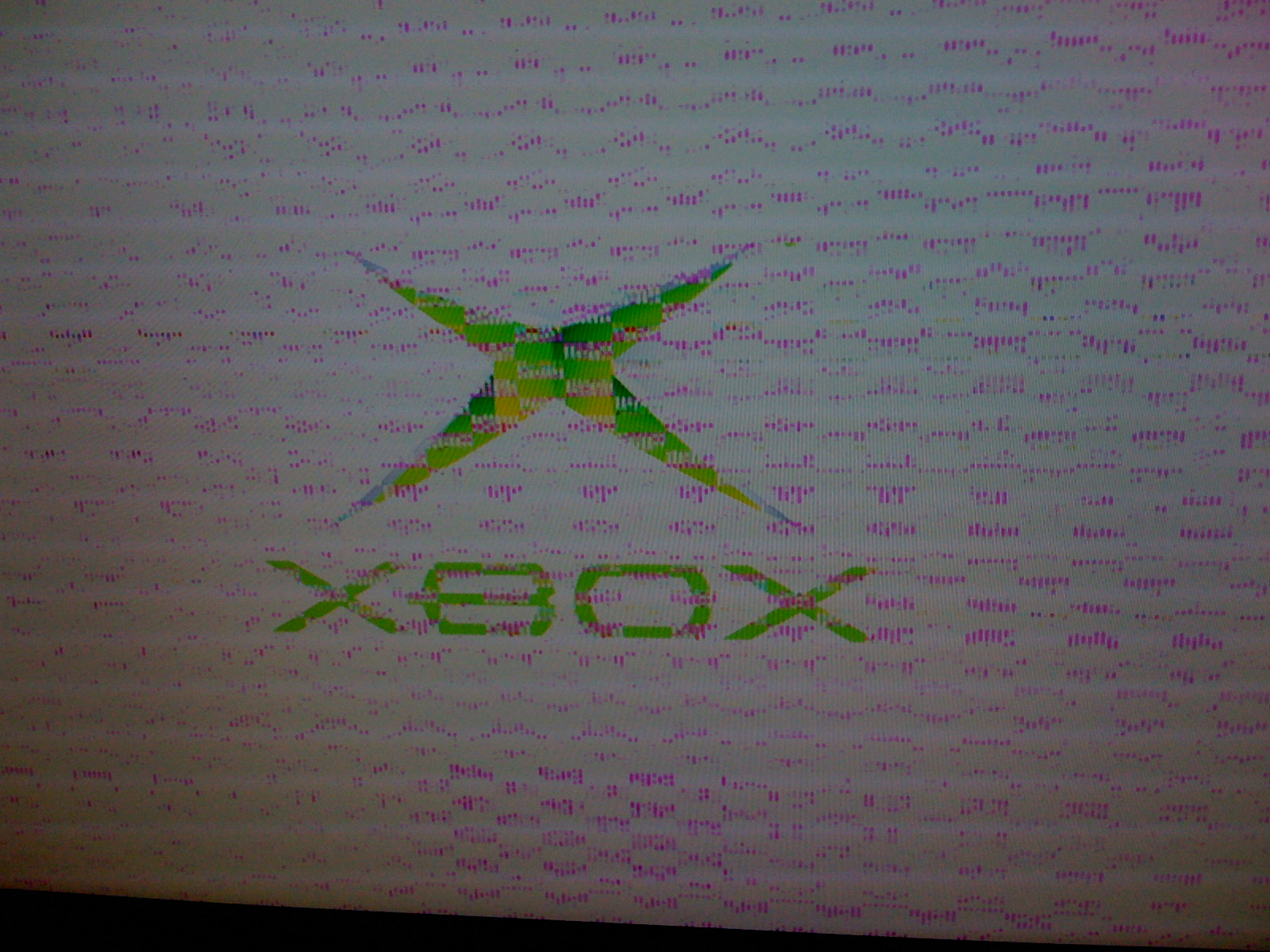
But then…
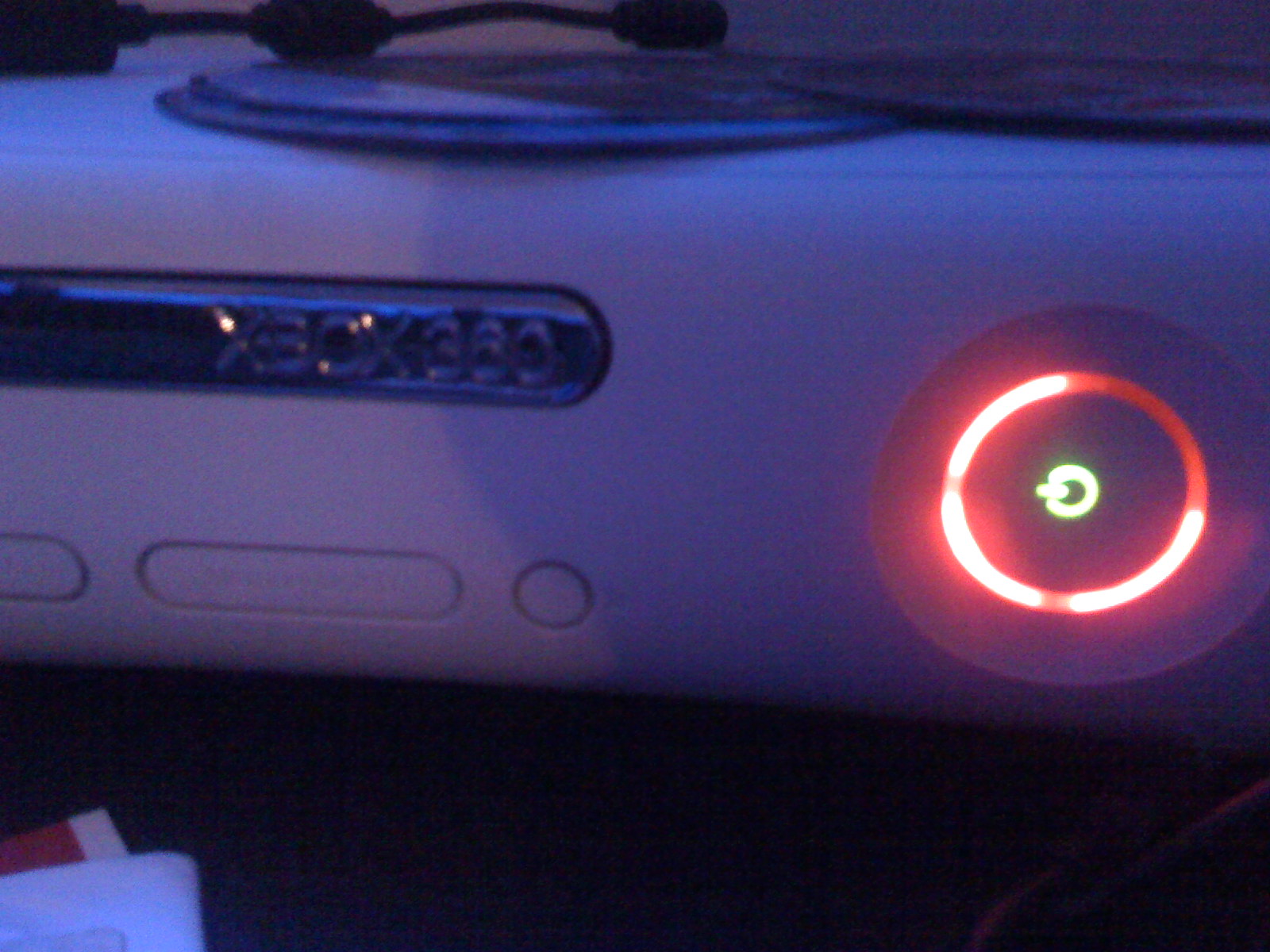
Microsoft FAIL. Is there a Frequent RRoD Club or something? I feel like I should be accumulating RRoD miles.
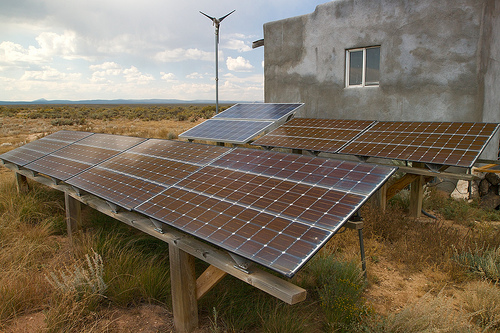 One purpose of my visit to New Mexico last weekend was to see what a self-sustaining single-family habitat in the Southwestern United States would.. or at least could.. look like. Several observations of which those of the region should already be keenly aware…
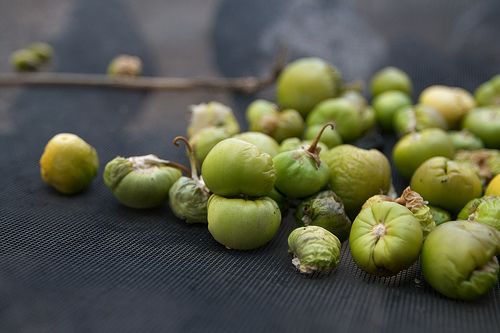 This is a snapshot of my own macro-economic sustainability opinions, which change rapidly with the times and fall somewhere between ecological conservatism and hard-nosed financial feasibility.
Sustainable American living activists need to focus on three primary goals: (1) significant cultural change in all socioecominic classes, (2) improving sustainability technologies to produce incentives for #1, and (3) figuring out how to reduce the human footprint in economic context to make #1 and #2 plausible. Specific ideas I would like to see pursued..
When it comes to “good” event photography, it’s a misconception that a given photo is representative of the entire event condensed down to a few well-framed shots. My process is both equal and opposite: to mislead the viewer into believing a few highly manipulated fleeting moments reflect the larger context by pleasing the eye with consciously undetectable lies. Flat-out, bold-faced, deception.
Photography is about contorting perceptions of reality. We want to believe the handful of infinitesimally small glorious moments at our weddings, birthdays and holidays represent the way people felt the entire time, when they really only capture less than 1% of the entire event. Don’t believe me? Watch a wedding video. The whole thing. Booooooring. No one really cares about the 45 minute toast or 15 minute car processional out of the parking lot. We do care, however, about the idea of the toast and vehicle processional and enjoy remembering the initial excitement, just not the long tail of boredom. You, as a photographer, thus have tremendous power to influence others perception of events if you teach your camera to lie.
For example, take this photo..
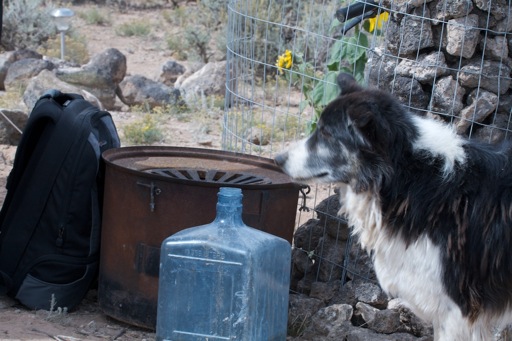
Yuck. It’s your typical crap run-of-the-mill shot you’d see on flickr, and I don’t feel anything special when I view it. It’s true to reality, which isn’t interesting. Now take this next shot…
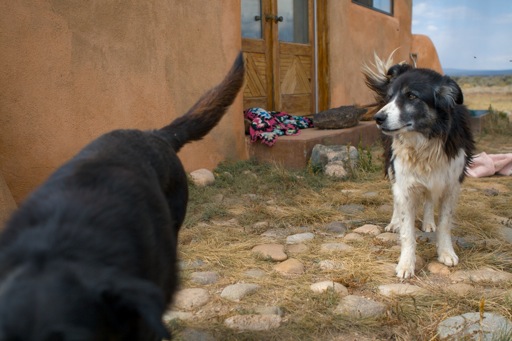
Not fine art, but much better: not because the situation or environment changed, but because we’ve lied about several things..
Movement. Look closely for “lines” formed by different objects in the first shot. It’s a chaotic mesh wherein the eye does know what to focus on. I don’t know what I should be looking at so my eyes are jumping all over the place. Am I supposed to be looking at the water jug? ..the dog? I have no idea. But in the second shot, notice how the diagonal line formed by the bottom of the house and the ground is mimicked by the step up to the door; by the dogs front feet; by the direction the dog is looking and moving; by the orientation of the two dogs. The movement of the entire shot eminates from the top right corner and radiates outward towards the other three. I know what I should be looking at and feel like something is happening because we’re created artificial movement.
White balance. The first photo is fairly accurate in terms of of the ambient light quality. The light was slightly bluish, which also happened to match the physical temperature of being very cold. But I don’t want you to feel cold. I want you to feel warm and fuzzy and giddy about the purdy doggy. The second shot feels warm, like a bright, sunny summer day, even though it was nearly freezing and about to rain.
Color. We’re pushed the saturation levels in the second shot to the extreme, but not quite so far as to detect our fib. Skies are not this blue, grass not this yellow/green, and adobe not this orange. Notice how every object has a distinct complementary color theme which is not intruded upon, as well as the exclusion of purple and red in the central theme.
Framing and cropping. By removing unnecessary distractions, we’re left with only the photos core concept to dwell upon. The negative space of the barren wall, sky and ground have distinct textures but are mostly devoid of objects which would steal our focus from the subject. We’ve tried to frame the dogs according to the rule of thirds, and all unnecessary concepts which could have been removed in the moment, have been.
Conclusion
Good photos are in the eye, not the technology, so you should strive to get great images straight out of the camera rather than rely on post-processing as a crutch. All of these concepts can be executed on a modern SLR and often only require post-processing for fine tuning.
Extra Credit Update! Spot the lie in this photo. (Hint: there’s an object in the room which shouldn’t be there!)
“Arizonans who want to vote in the Nov. 4 general election must register before Tuesday”, reports 12 News. So don’t be a chump. Register online now.
Apple announced this morning that the NDA preventing developers from holding open development discussions will be lifted. While details of the new agreement are not yet available, we are already beginning to see changes in the iPhone development landscape. Details on the first Phoenix iPhone Developer Group meeting will be announced tomorrow morning on the OpenRain blog!
Publishers are also rejoicing, as many have been effectively sitting on completed books in anticipation of today. iPhone SDK Development by The Pragmatic Programmers is already available for immediate electronic download, and an O’Reilly representative has informed me that O’Reilly Media has just released iPhone Forensics.
It begins.
I don’t fit in well with either of the major U.S. political parties. I certainly have opinions which favor one side or the other, but overall consider myself somewhat middle-leaning with a tendency towards libertarianism. I nevertheless found this editorial observation by Glenn Beck interesting on the top ten poorest American cities.
On a related note, I’m reminded of a former Soviet teacher I had in college who shared many thought provoking stories, including the observation, “In the Soviet Union we were all equal…ly poor.”
 I’ll be giving two sessions this Saturday, September 20th, 2008 at ABLEconf: Arizona Business and Liberty Experience hosted at the University of Advancing Technology. The first will be a ~50 minute getting-started-with-ruby-on-rails type session aimed at developers similar to the one I’m giving this Wednesday for Joe Developer. The second will be a plug-heavy talk over how OpenRain does F/OSS-friendly web development in the commercial space using F/OSS software and tools, targeted for a business-minded crowd.
ABLEconf is a new event so I’m not sure what to expect, though I’d put my money on a lot of systems-level event content since much of the participation seems to be from local Linux groups.
 This Wednesday evening, OpenRain will be hosting and providing food for Phoenix’s East-valley Joe Developer group. I’ll be giving a getting-started-with-ruby-on-rails type demo, after which I’m sure there’ll be good conversation and fun. Attendance and food are free. Food will be hot at 6PM. [Venue] [Google Group]